

Keeping West Midlands warm since 2021
Heat Pump Installers
West Midlands
WLV Plumbing & Heating working with the UK's most trusted brands




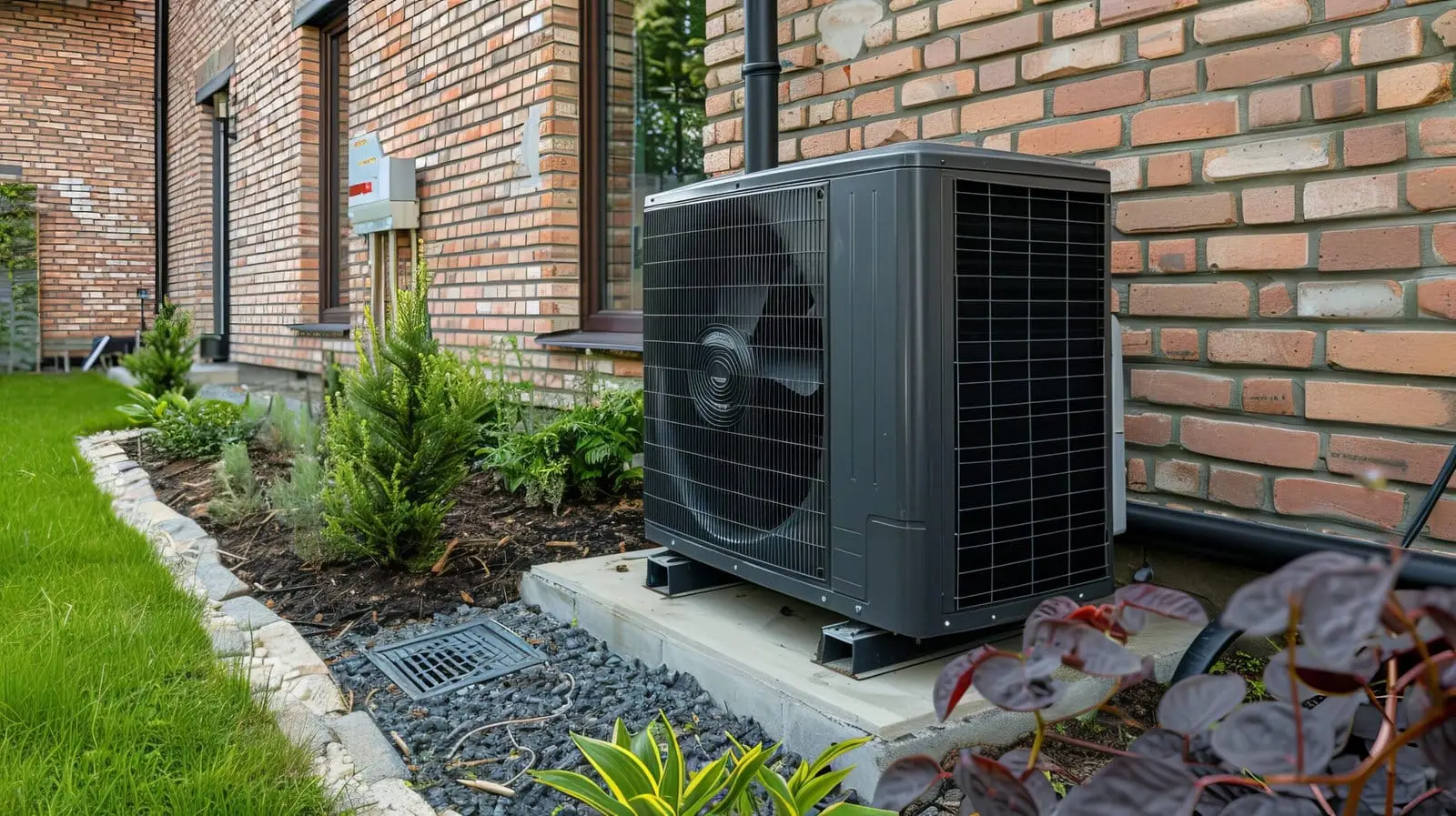
Up to £7,500 grant Heat Pump available
West Midlands' Heat Pump Installers
Viessmann & Baxi Accredited Heat Pump Installers
At WLV Plumbing & Heating, we’re proud to be accredited heat pump installers for both Viessmann and Baxi, two of the most trusted names in low‑carbon heating.
These high-performance systems are built for efficiency and long-term reliability, helping homes across the West Midlands cut energy bills and reduce carbon emissions. Whether you live in a compact property or a larger family home, we’ll help you choose the right heat pump and install it to the highest standard.
As approved installers, we also offer extended warranties and full manufacturer support.
A Heat Pump range for every West Midlands home & family budget!
The WLV Heat Pump range
We supply and install energy-efficient heat pumps for homeowners across Wolverhampton, Dudley, Walsall and Birmingham. Whether you’re switching from an old boiler or building a future-ready home, we’ll help you choose the right heat pump system for your property.
As accredited installers for both Viessmann and Baxi, we’re trained to get the most from your system, from careful design to smooth installation and ongoing support. Every home is different, which is why we take the time to explain your options clearly, without the jargon or the hard sell.
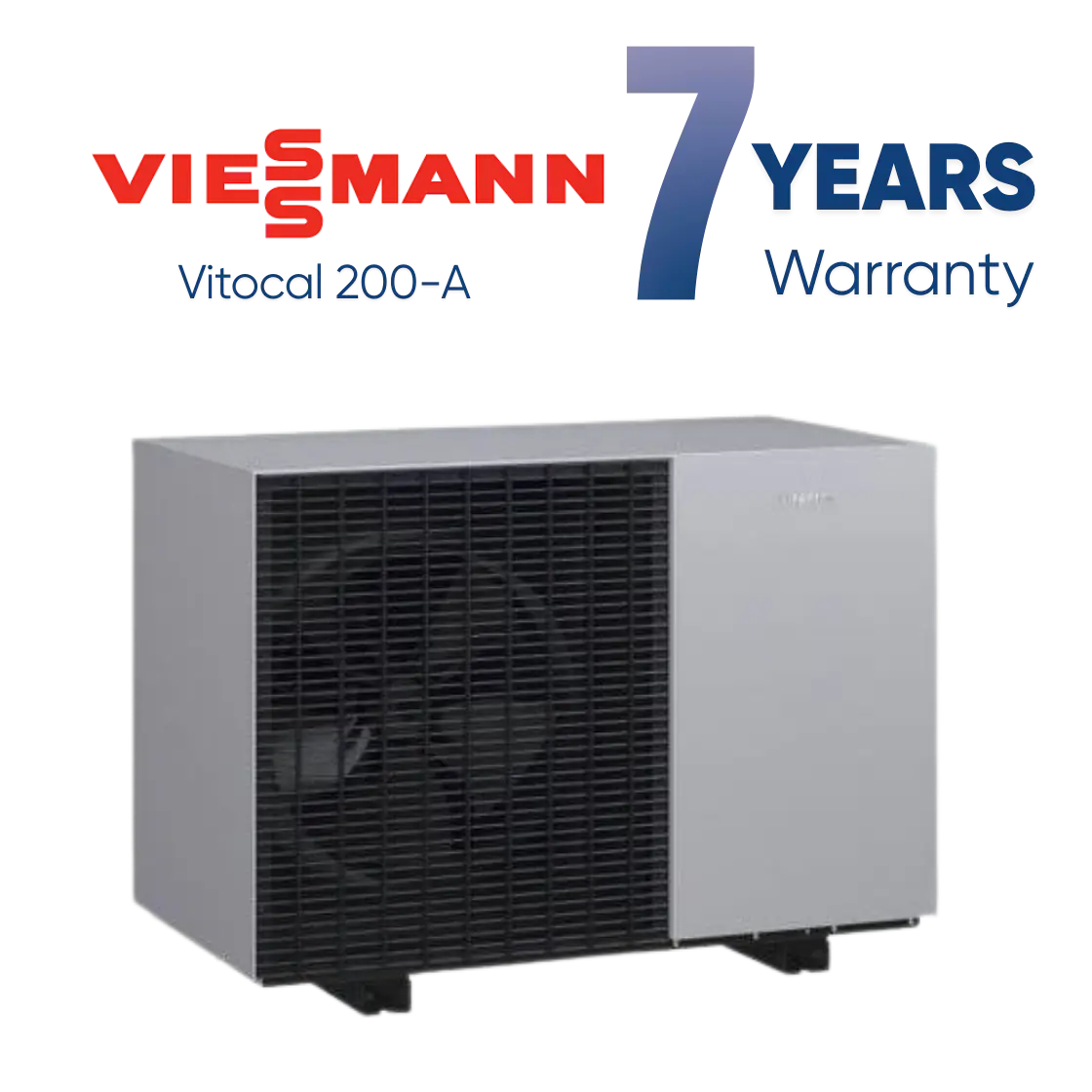
Viessmann
Vitocal 200-A
Supplied and fully installed combi boiler inc flue, control, cleansing & protection.
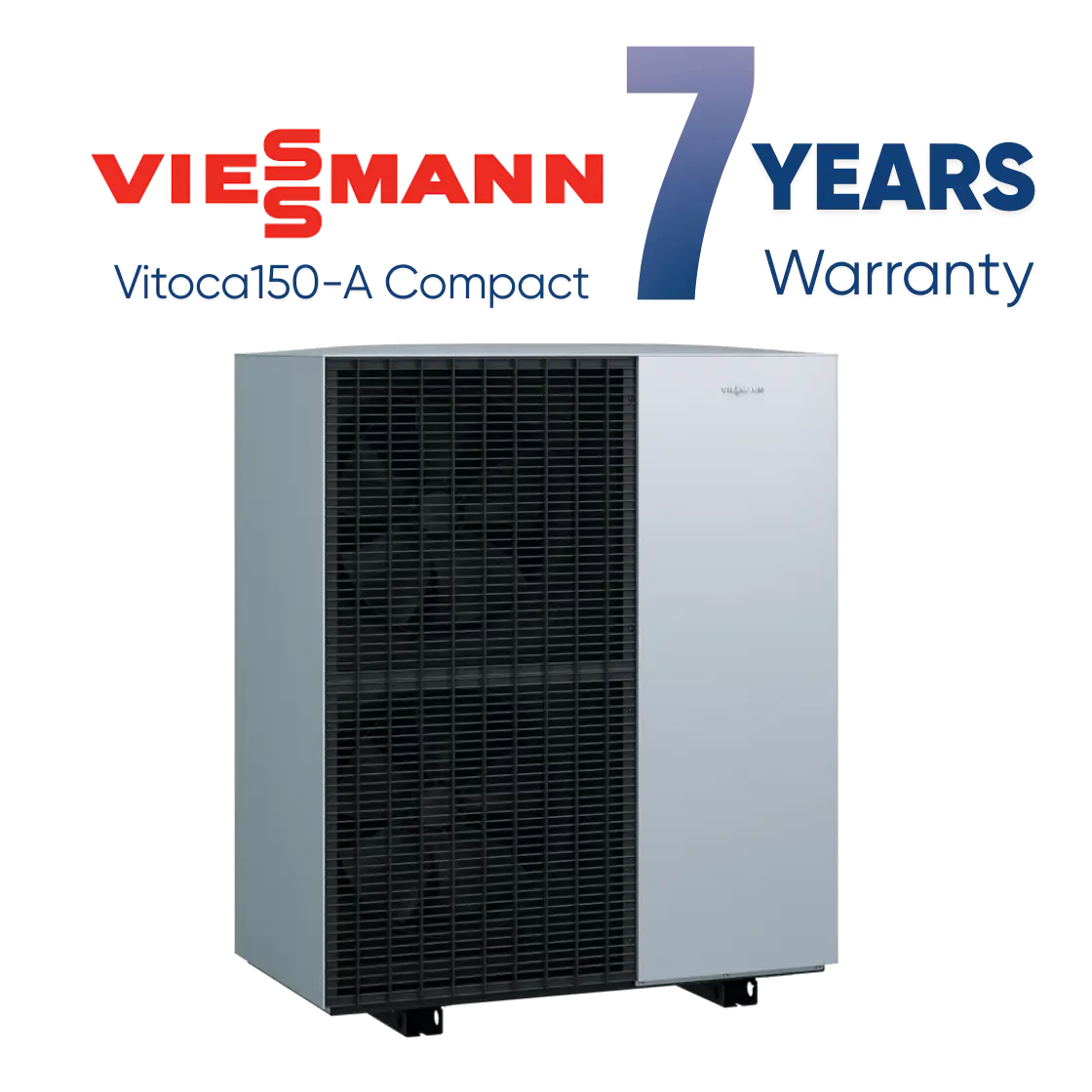
Viessmann
Vitocal 150-A Compact
Supplied and fully installed combi boiler inc flue, control, cleansing & protection.
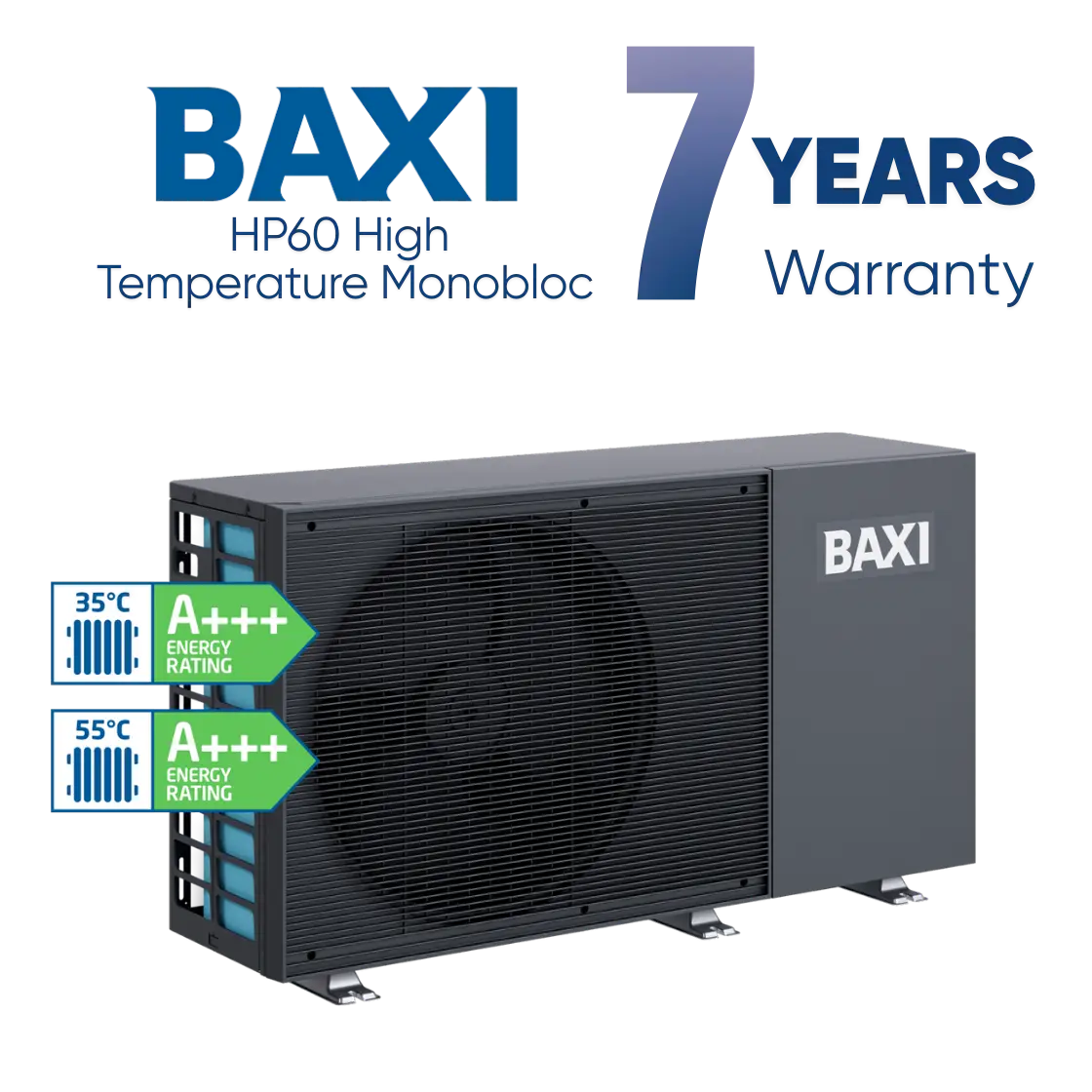
BAXI
HP60 High Temperature Monobloc
Supplied and fully installed combi boiler inc flue, control, cleansing & protection.
How it works
Roadmap to Your Heat Pump Installation
Tell us a bit about your home and we’ll give you a free estimate in less than 2 minutes
One of our experts will visit to measure your homes heat loss and check what’s needed to for maximum efficiency.
We’ll send you a clear, no-jargon quote so you know exactly what to expect.
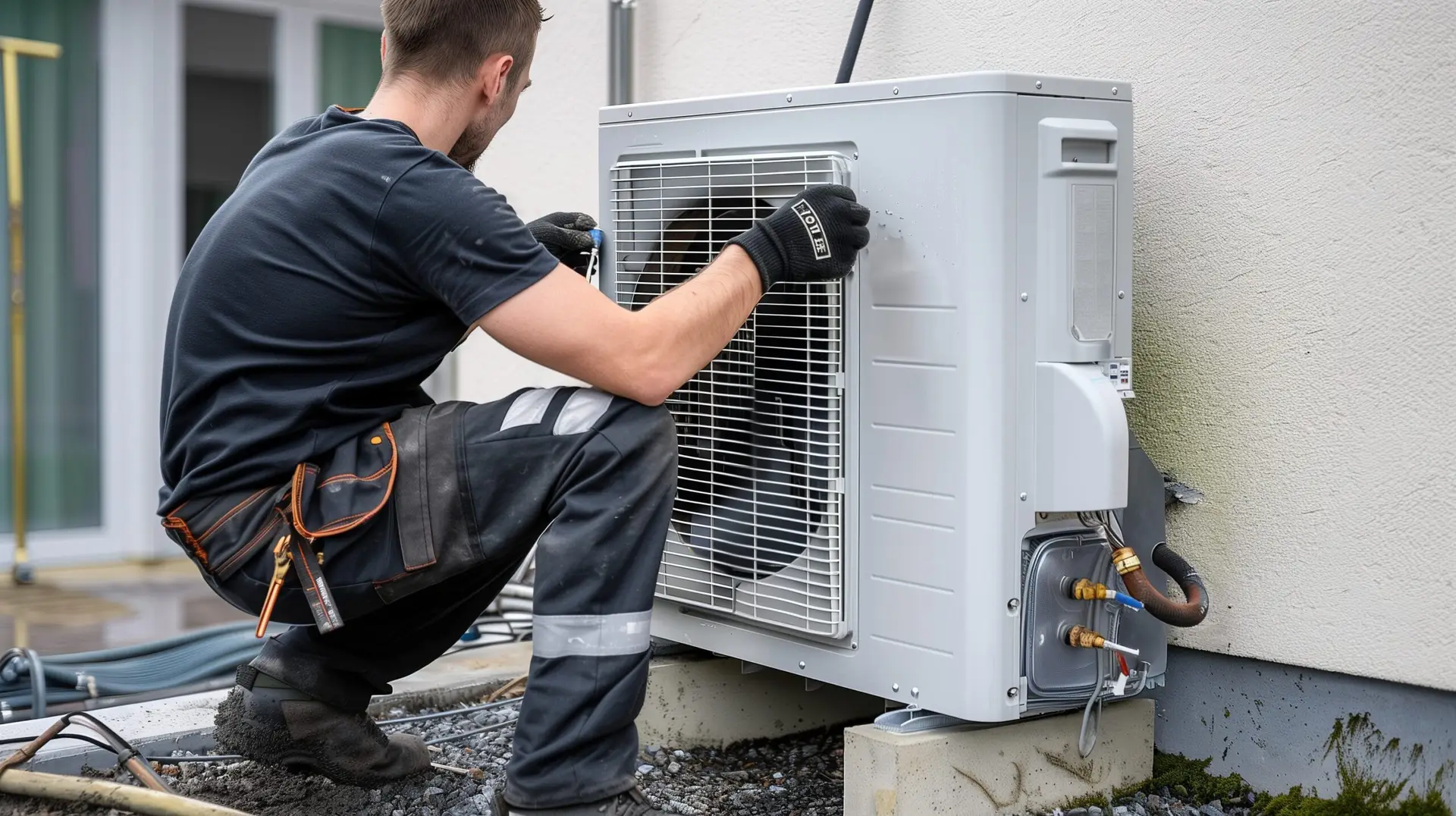
Our friendly team will install your new heat pump with care and attention.

Meet the West Midlands most reviewed heating plumbing & heating team with over 1000 locals saying nice things!
Read below what other locals say about their WLV Plumbing & Heating journey
Heat Pump Installers West Midlands
West Midlands' Heat Pump Installers
Yes! We also service heat pumps across West Midlands
Baxi and Viessmann trained, trusted across Wolverhampton.
At WLV Plumbing & Heating, we’re fully trained to service and repair all makes of air source heat pumps, not just the ones we install. Whether it’s a Viessmann, a Baxi or another leading brand, we’re here to help keep your system running smoothly.
Servicing your heat pump once a year isn’t just good practice, it’s essential. It keeps efficiency high, helps avoid costly faults, and protects your manufacturer warranty. We’ll check, clean and test every key component, give you a clear report, and flag any early warning signs before they turn into problems.
Already got a heat pump? No problem. Just moved in and unsure if yours has been serviced? We’ll sort that too. Based in Wolverhampton, we cover Walsall, Dudley, Birmingham and the wider West Midlands.
Available heating outputs:
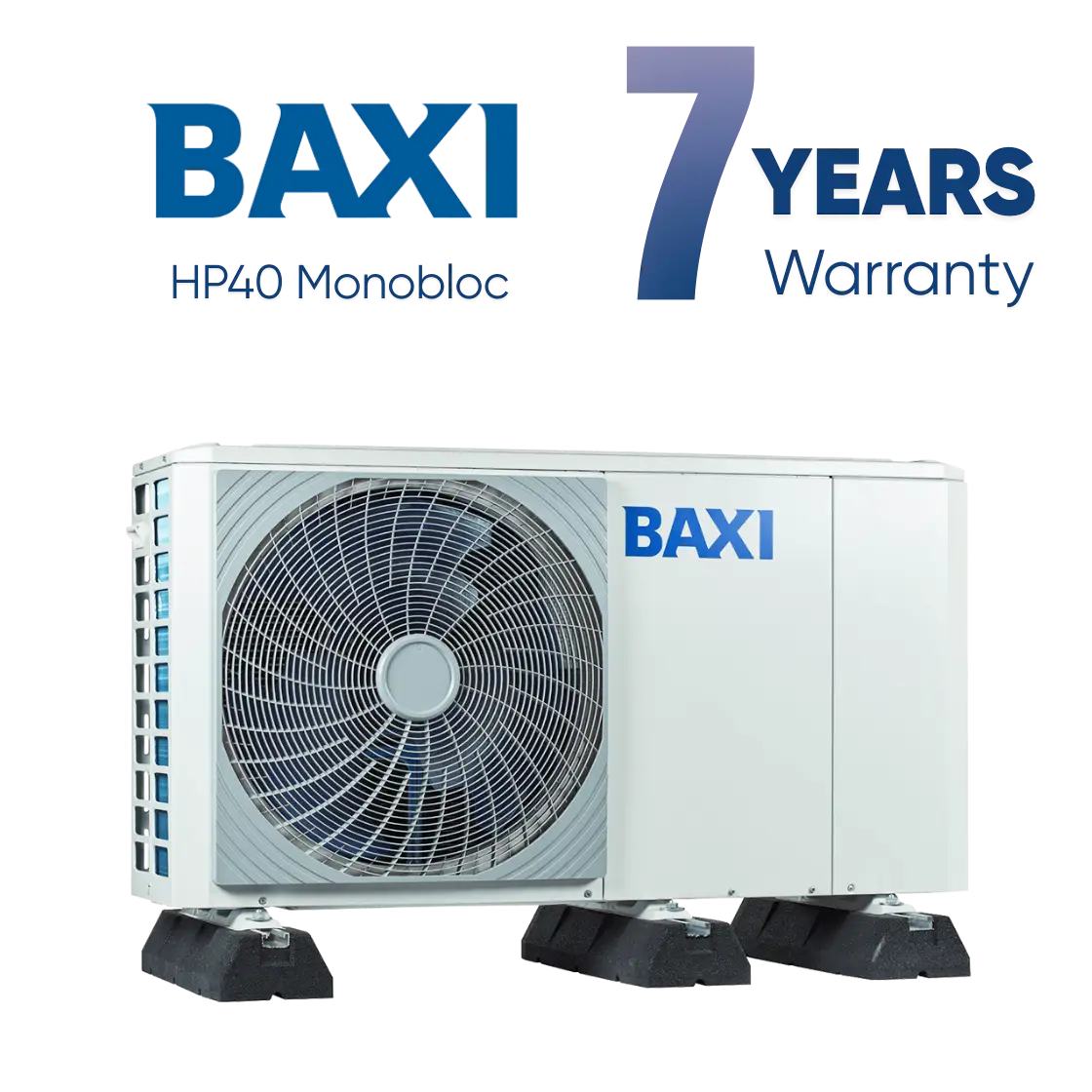
BAXI Air Source Heat Pump
HP40 Monobloc
If you’re thinking about switching to a low-carbon heating system, the Baxi Air Source Heat Pump is a smart, reliable choice. It delivers efficient heating and hot water all year round, helping you cut energy bills without compromising on comfort.
With a range of outputs available, there’s a model to suit every type of home. Plus, it comes with a magnetic filter as standard to help protect your system and keep everything running smoothly.
- Up to 7-Year Guarantee
- Low-carbon, energy-efficient heating and hot water
- Quiet operation, ideal for residential areas
- Designed for quick installation and easy servicing
- Trusted British brand with full support and warranty
Property Type
The Baxi HP40 Monobloc is best suited to small to medium-sized homes with good insulation and modern heating systems. It’s an ideal choice for new builds, renovated properties.
It works well with underfloor heating or upgraded radiators, delivering consistent heating and hot water without the need for a separate indoor unit, making it a space-saving option too. If you’re looking for a straightforward, all-in-one heat pump that’s easy to install and efficient to run, the HP40 Monobloc ticks all the right boxes.
Available heating outputs:
BAXI Air Source Heat Pump
HP60 High Temperature Monobloc
If you’re ready to upgrade to a low-carbon heating system without making major changes to your existing radiators, the Baxi HP60 High Temperature Monobloc is a brilliant option. It’s designed to deliver reliable, energy-efficient heating and hot water all year round, and it can reach flow temperatures of up to 75°C, making it ideal for homes that still use traditional radiators.
You’ll get all the benefits of a heat pump with less disruption to your current setup. With a range of outputs available, there’s a model to suit most property sizes. And like the rest of the Baxi range, it comes with a magnetic filter as standard to protect your system and help it run at its best.
- Up to 7-Year Guarantee
- Low-carbon, energy-efficient heating and hot water
- Quiet operation, ideal for residential areas
- Delivers flow temperatures up to 75°C
- Ideal for older or less-insulated properties
Property Type
The Baxi HP60 is best suited to older homes, rural properties, and less insulated buildings where traditional radiators are still in use and higher flow temperatures are needed. It’s ideal for larger semi-detached or detached homes, especially where underfloor heating isn’t practical or preferred.
Because it delivers similar flow temperatures to a standard boiler, the HP60 can often be installed without needing major changes to your existing heating setup, making it a smart way to modernise your home without a full system overhaul.
WLV case studies
Our Recent BAXI Training & Education Projects
Available heating outputs:
Viessmann Air Source Heat Pump
Vitocal 150-A Compact
The Viessmann Vitocal 150-A is a powerful, ultra-efficient heat pump designed to suit the demands of modern homes, whether you’re upgrading from a traditional boiler or installing in a new-build.
This monobloc system houses all key components in a single compact unit, making it quick to install and ideal for properties with limited indoor space. With quiet operation, impressive A+++ energy ratings, and outputs available in 6kW and 10kW, it’s a brilliant solution for keeping your home warm and sustainable all year round.
Built by Viessmann, a leading name in high-performance German engineering, the Vitocal 150-A blends low running costs, smart control, and long-term peace of mind into one sleek package.
- Up to 7-Year Guarantee
- Quiet Mark Certified
- ErP A+++ Rated
- Smart Controls Compatible
- Boiler Upgrade Scheme Eligible
Property Type
The Vitocal 200-A is ideal for medium to large homes with higher heating or hot water demand. It’s a great fit for detached or semi-detached houses, especially those with good insulation or recent upgrades. It also works brilliantly in new builds and homes with underfloor heating or modern radiators, making it a solid choice for families or anyone switching from gas, oil, LPG or older heating systems.
Viessmann Air Source Heat Pump
Vitocal 200-A Compact
The Viessmann Vitocal 200-A is a powerful, high-performance heat pump built for larger homes or households with higher heating and hot water demand. With its advanced inverter technology, it adjusts to your home’s needs in real time — helping to reduce running costs while keeping comfort levels spot on. It’s a great option if you’re looking to futureproof your heating, and works especially well in well-insulated properties or new builds. Quiet, efficient and built to last, it’s a smart choice for family homes making the switch to low-carbon heating.
- Up to 7-Year Guarantee
- Designed for higher hot water demand
- Quiet operation
- Ideal for well-insulated homes and new builds
- Boiler Upgrade Scheme Eligible
Property Type
The Worcester Bosch Greenstar 2000 is a great choice for smaller homes or apartments, especially if you only need hot water for one bathroom. It’s a popular pick for first-time buyers, landlords, and rental properties thanks to its efficiency and reliability. Plus, it can even run on LPG, making it a smart option for mobile homes and holiday caravans too.
WLV case studies
Our Recent Viessmann Training & Education Projects
Let us know how we can help you, fill in the quick form and one of the team will get back to you soon
Get in touch
WLV Plumbing & Heating
Office Phone : 01902 283124 Monday - Friday 08:00 - 17:00
Please use the form or existing customers can respond to our previous email
WLV Plumbing & Heating, Storage Giant, Gibbons Industrial Park, Unit 10 Dudley Rd, Kingswinford DY6 8XF
Follow our social networks
Heat Pump Installers West Midlands
West Midlands' Heat Pump Installers
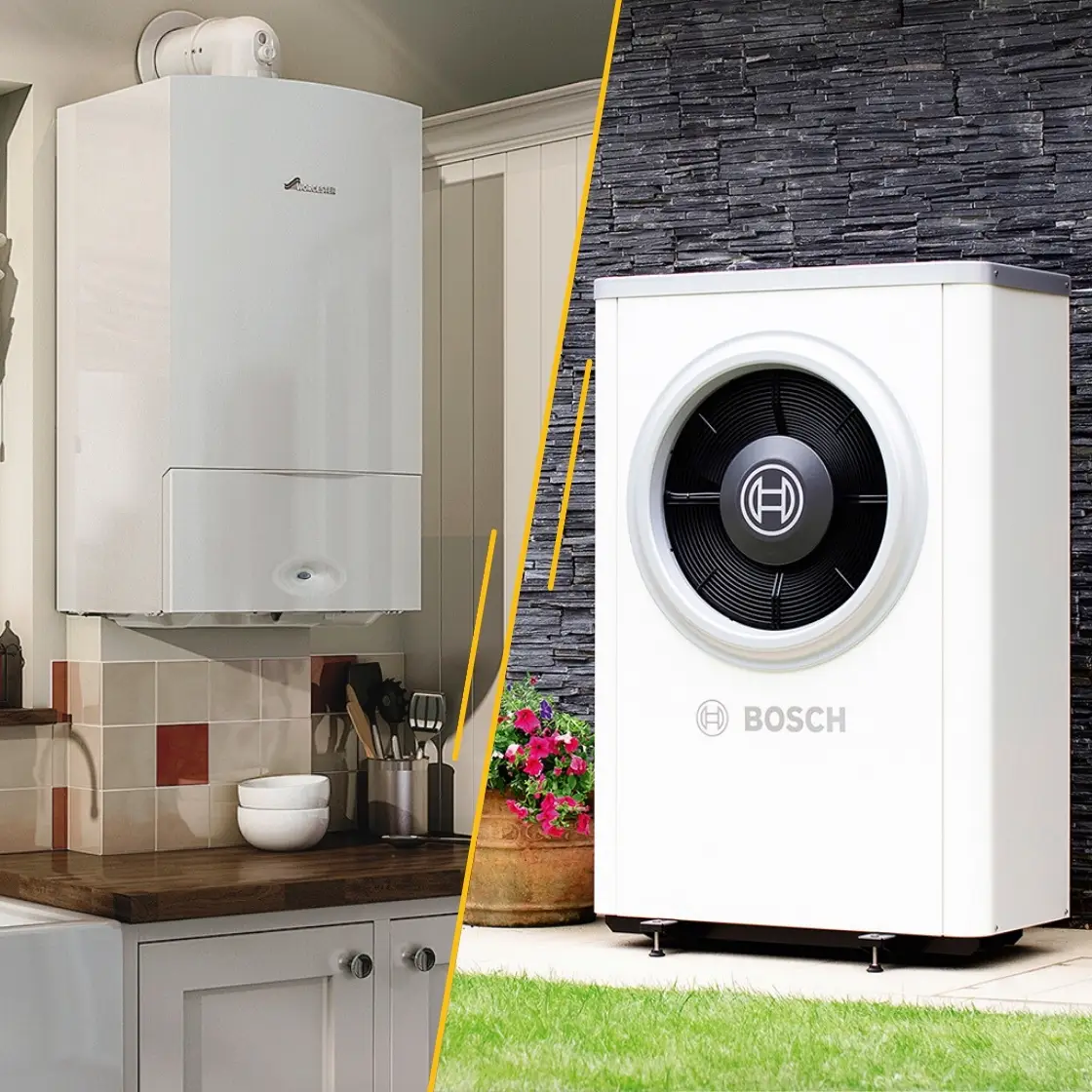
Heat Pumps vs Boilers
When it comes to heating your home, the two most common systems we install and look after are boilers and heat pumps. Both keep you warm and comfortable, but they work in very different ways.
If your home is well insulated and the system is designed properly, a heat pump can be the more energy-efficient and environmentally friendly choice. It runs on electricity and works by extracting heat from the air outside and bringing it indoors. Because it moves heat rather than creating it by burning fuel, it can reduce your carbon footprint and help lower running costs over time.
Boilers, on the other hand, heat water by burning gas and then circulate it through radiators or underfloor heating. They’re tried and tested, quick to install, and still the best option in some homes, especially older or less insulated properties that need higher flow temperatures.
So, which is better? It really comes down to your home, how it’s built, and what you want from your heating system.
At WLV Plumbing & Heating, we fit and maintain both boilers and heat pumps across West Midlands including Wolverhampton, Walsall, Dudley and Birmingham. We’ll give you honest advice based on your property, not just the latest trend, so you get a system that actually works for you.
Whether you’re looking to upgrade to something low-carbon, or just want reliable heating that won’t let you down, we’re here to help you choose the right solution.
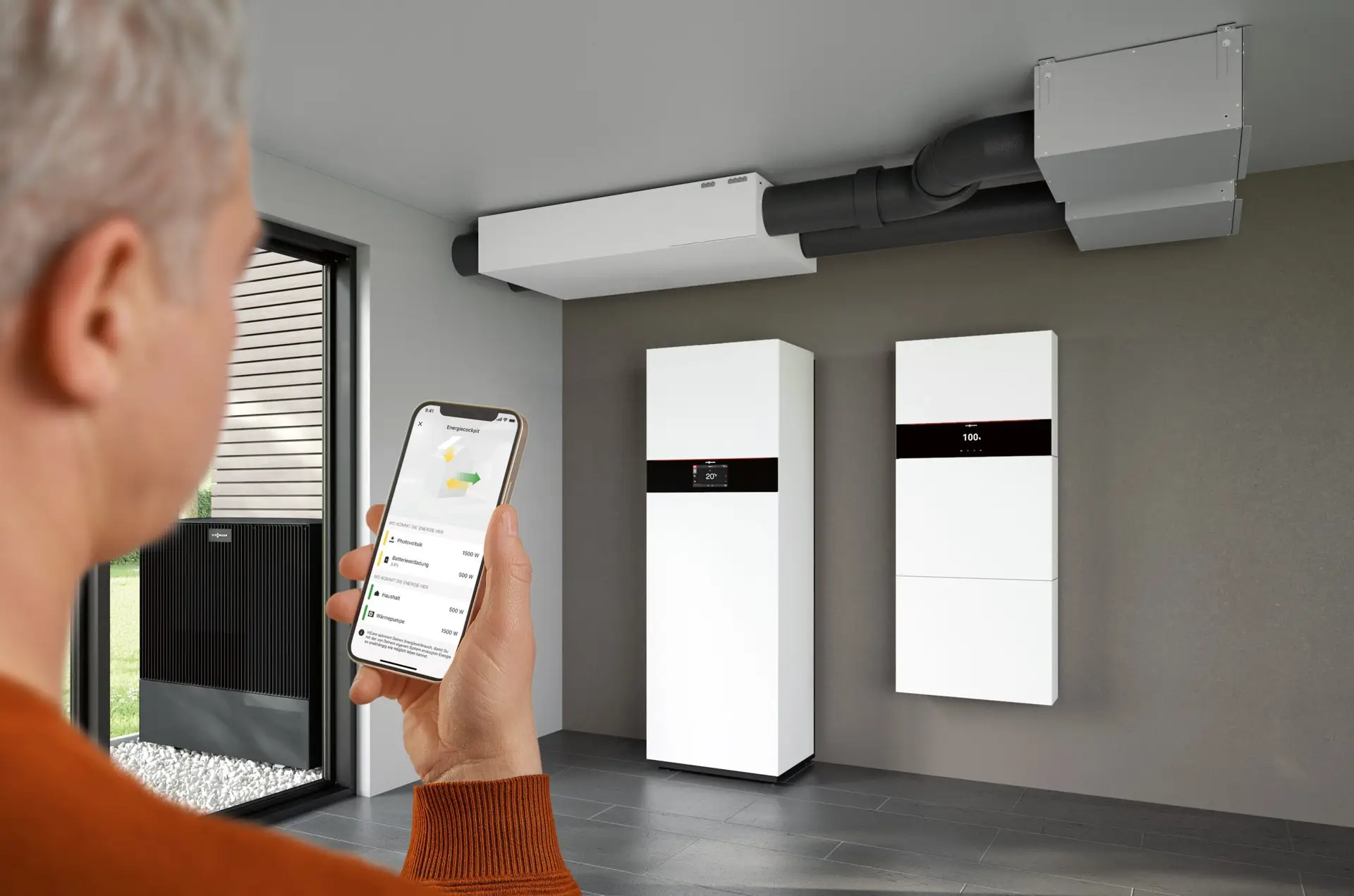
Controlling your heat pump
Controlling your heating
Controlling your heat pump is simple, and smart! With the right setup, you can enjoy full control over your heating and hot water, keeping your home comfortable all year round while using less energy.
Most modern heat pump systems work with user-friendly digital controls, smart thermostats, or apps on your phone.
These give you flexibility to:
- Set different temperatures for different times of day
- Control your heating from anywhere via your smartphone
- Monitor your energy use and adjust settings for maximum efficiency
- Use features like weather compensation and smart learning to optimise performance
At WLV Plumbing & Heating, we’ll walk you through how to use your new system, explain the controls in plain English, and help you choose the best smart thermostat for your home, whether that’s Viessmann’s ViCare, Baxi’s uSense, or another easy-to-use option that fits your routine.
FAQ
West Midlands Heat Pump
questions answered!
All the big Heat Pump questions answered below
The Boiler Upgrade Scheme (BUS) is a great opportunity for homeowners and small businesses in the UK to reduce the upfront cost of installing eco-friendly heating systems. This government initiative offers £7,500 grants for air source and ground source heat pumps, making it easier to switch to low-carbon options. There’s also a £5,000 grant available for biomass boilers.
To take advantage of the scheme, all you need to do is work with an MCS-certified installer. They’ll apply for the grant on your behalf, so the savings are applied directly to your installation costs. The scheme is open to homeowners and small property owners in England and Wales and has been extended to run until 2028.
This initiative is designed to help you reduce your energy bills and your carbon footprint, making your home more sustainable in the long run.
Applying for the Boiler Upgrade Scheme (BUS) is a straightforward process, and we’ll guide you through it step by step:
Find an MCS-Certified Installer: First off, you’ll need to choose an installer who’s registered with the Microgeneration Certification Scheme (MCS). Don’t worry, they’ll handle the paperwork!
Get a Quote: Your installer will come round, assess your property, and provide a quote for installing your new heat pump or biomass boiler. They’ll also check if you qualify for the grant.
Installer Applies for You: Once you’re happy with everything, the installer submits the grant application on your behalf through Ofgem. You don’t have to fill out any forms yourself.
Grant Applied to Your Costs: If approved, the £7,500 grant is deducted from the overall cost, so you pay less upfront.
Confirmation: Ofgem will get in touch with you to confirm you’re ready to proceed. Once everything’s confirmed, the installer gets started on your new eco-friendly heating system.
It’s a hassle-free process, making it easier and more affordable for you to switch to low-carbon heating.
Air Source Heat Pumps (ASHPs) are a great energy-saving solution for your home. They pull heat from the outside air, even in cold weather, and bring it indoors to keep your space warm and cosy. They work efficiently in temperatures as low as -15°C, making them ideal for the UK's chilly winters.
One of the big advantages of ASHPs is their efficiency. For every unit of electricity they use, they can generate up to three or four times that amount in heat. So not only will you stay warm, but you’ll also see savings on your energy bills.
To get the most out of an ASHP, it’s important that it’s installed correctly and that your home is well insulated. This ensures the system runs at its best, keeping you comfortable all year round.
The cost of running a heat pump depends on a few things, like the type of system, the size of your home, and local electricity rates. In general, Air Source Heat Pumps (ASHPs) are cheaper to install but might cost a little more to run than Ground Source Heat Pumps (GSHPs), especially when it’s really cold, as ASHPs have to work harder.
On average, you can expect an ASHP to cost between £500 to £1,000 per year to run, while a GSHP may cost between £400 to £700 per year, thanks to their higher efficiency. That said, both options can lead to big savings on your energy bills compared to traditional gas or oil heating, particularly if your home is well insulated.
The running costs are also influenced by the coefficient of performance (COP), which measures how efficiently your heat pump converts electricity into heat. The better the insulation and the more efficient the system, the more you’ll save in the long run.
When it comes to heat pumps, the main difference between Air Source Heat Pumps (ASHP) and Ground Source Heat Pumps (GSHP) is where they draw their heat from.
Air Source Heat Pumps grab heat from the air outside—even when it’s chilly—and use it to warm your home and water. They’re generally easier and cheaper to install, making them a popular choice. However, they can be a bit less efficient during those freezing winter days.
Ground Source Heat Pumps, on the other hand, pull heat from the ground through pipes buried underground. These systems are more efficient, especially in colder weather, but they need more space and can cost a bit more to install due to the digging involved.
Both are eco-friendly alternatives to traditional heating, helping you reduce your carbon footprint while keeping your home toasty.
When it comes to heating your home, there are some key differences between Air Source Heat Pumps (ASHPs) and traditional boilers.
Heat Generation: An ASHP pulls heat from the air outside—even when it’s cold—and transfers it into your home. Boilers, whether gas or oil, burn fuel to produce heat directly.
Efficiency: ASHPs are more efficient, often producing 3-4 units of heat for every unit of electricity used. Boilers, especially older ones, aren’t as efficient, converting less fuel into heat.
Running Costs: With proper insulation, ASHPs tend to be cheaper to run, whereas boilers come with higher fuel costs, depending on gas or oil prices.
Environmental Impact: ASHPs are the greener option, especially when powered by renewable energy, as they significantly reduce carbon emissions. Boilers, on the other hand, emit more CO₂, particularly those running on fossil fuels.
In short, ASHPs are a more eco-friendly and cost-effective choice in the long run, though they have higher upfront installation costs. Boilers are cheaper to install but will cost more to run over time, and they aren’t as environmentally friendly.
When choosing a heat pump, the key difference between air-to-water and air-to-air heat pumps is how they warm your home.
Air-to-Water Heat Pumps: These systems take heat from the air outside and transfer it into water, which is then used to heat your home through radiators or underfloor heating. They also provide hot water for your taps. If you already have a water-based central heating system, this is a great option. Plus, they work well in colder weather with the right insulation.
Air-to-Air Heat Pumps: Instead of using water, these units transfer heat directly from the outside air into warm air inside your home. They are ideal for homes without radiators and typically distribute heat through fans or ducts. As a bonus, they can also cool your home in the summer by reversing the process.
Efficiency and Cost: Both options are energy efficient. Air-to-water systems are more versatile since they handle both heating and hot water, while air-to-air systems are simpler and cheaper to install but only provide heating (or cooling in summer).
In short, if you need both heating and hot water, an air-to-water system is your best bet. For straightforward heating or cooling, an air-to-air system is a good, cost-effective choice.
Heat pumps, especially Air Source Heat Pumps (ASHPs), do create some noise, mainly from the external unit where the fan and compressor are located. On average, the noise is around 40 to 60 decibels—similar to the sound of a modern fridge or light rain. The exact noise level depends on the model, how it’s installed, and where it's placed.
While you may notice it when standing close to the unit, modern ASHPs are designed to be quieter. Many are installed away from bedrooms or living areas to minimise any disturbance. On the other hand, Ground Source Heat Pumps (GSHPs) are generally much quieter because most of the equipment is underground or indoors.
To reduce any potential noise, it's important to ensure the heat pump is installed in the right spot—away from windows or sensitive areas. Plus, all heat pumps must meet noise regulations, so you won’t have to worry about them being a nuisance in residential areas.